
What Roofers Want You to Know About Roof Maintenance
Your home protects you from the elements, but your roof is the unsung hero doing most of the heavy lifting. Many homeowners only think about their roofs when a leak appears, which can lead to expensive emergency repairs. Taking a proactive approach can extend the lifespan of your system and save you thousands of dollars. Local roofers want you to know that a little bit of regular upkeep goes a long way in preserving your investment.
Understanding the Importance of Routine Inspections
Many people assume a roof is a "set it and forget it" part of the home until a major storm hits. However, professional roofers will tell you that minor issues can quietly escalate into massive financial headaches. Small cracks, missing shingles, or loose flashing can allow moisture to penetrate your home long before you notice a stain on your ceiling.
According to Zillow, homeowners should arrange for a professional roof inspection at least once a year to catch hidden damage early. Routine assessments allow experts to identify weakened areas that the untrained eye might miss. Skipping these checks can void your manufacturer's warranty, leaving you financially responsible for preventable damage. By investing in annual evaluations, you protect your property, ensure your family stays safe, and maintain your peace of mind.
Cleaning Your Gutters to Prevent Water Damage
Gutters play a vital role in your roofing system by channeling water away from your foundation, walls, and fascia boards. When leaves, twigs, and debris clog your gutters, water backs up and pools along the edge of your roof. Roofers frequently see this standing water rot the underlying wooden structure, destroy shingles, and cause severe leaks.
To keep your system functioning properly, you should follow these essential maintenance steps:
- Clean twice a year: Clear out your gutters at least two times annually, ideally in the spring and late autumn. This prevents heavy debris from weighing down the brackets.
- Check the downspouts: Ensure that water flows freely through the spouts and away from the base of your home. Clear any stubborn blockages with a garden hose.
- Install gutter guards: Consider adding protective screens to keep large debris out and reduce the frequency of manual cleanings. These barriers save you time and energy over the years.
Proper water management prevents fewer instances of basement flooding and preserves the integrity of your eaves. If your gutters are sagging or pulling away from the house, it is time to call a professional for repairs.
Trimming Nearby Trees to Protect Your Shingles
Overhanging tree branches pose a significant threat to your roof, especially during high winds and severe storms. Heavy limbs can snap and crash through your shingles, causing immediate and catastrophic structural damage. Even smaller branches can cause serious harm over time by constantly scraping against the protective asphalt granules.
When tree limbs rub against your roof, they strip away the protective coating, which makes your shingles vulnerable to UV rays and premature aging. Additionally, low-hanging branches provide an easy highway for pests like squirrels, raccoons, and ants to access your attic. Experienced roofers recommend trimming all tree branches back so they are at least six feet away from your roofline. Keeping trees manicured also means fewer leaves falling directly onto your shingles, which reduces the risk of rot and moss growth.
Spotting the Early Signs of Roof Wear
You do not need to climb onto your roof to check its overall condition. Homeowners can perform a safe, ground-level visual inspection using a pair of binoculars to look for warning signs. Recognizing these early red flags allows you to schedule repairs before a minor leak ruins your insulation or drywall.
Keep an eye out for these common indicators of roof degradation:
- Curled or buckling shingles: Shingles that are warping or lifting are no longer protecting your home from moisture.
- Missing granules: Check your gutters for an accumulation of dark, sand-like granules, which indicate your shingles are reaching the end of their lifespan.
- Damaged flashing: The metal material around your chimney, vents, and skylights can rust, crack, or pull away from the surface.
- Sagging rooflines: A drooping roofline is a sign of serious structural issues or trapped moisture that requires immediate professional attention.
Catching these problems early ensures that you spend less money on minor fixes rather than a premature total replacement.
Removing Moss and Algae Safely and Effectively
If you notice dark streaks or green patches on your shingles, you are likely dealing with algae or moss. These organisms thrive in shaded, damp areas of your roof that receive very little direct sunlight. While black algae streaks are mostly an aesthetic issue, moss acts like a sponge, trapping moisture directly against your shingles.
When moisture remains trapped, it freezes during the winter, expands, and lifts the shingles away from the roof deck. Trusted roofers warn against using a high-pressure washer to remove moss, as the intense water pressure will strip away your shingles' protective granules and destroy the roofing material. Instead, professionals use specialized, eco-friendly chemical treatments to safely kill the growth without harming your home. Installing zinc or copper strips at the ridge of your roof can also help prevent future moss and algae growth.
Ensuring Proper Attic Ventilation and Insulation
Roof maintenance is not just about what is on the outside of your home; the environment inside your attic is just as important. Without proper ventilation and insulation, heat and moisture build up in your attic space. This trapped heat can bake your shingles from the inside out, causing them to fail prematurely.
During the winter months, a hot attic melts the snow on your roof, causing water to run down and freeze at the cooler edges. This process creates ice dams, which prevent melting water from draining properly and force liquid under your shingles. Proper attic insulation keeps the heat inside your living spaces, while balanced ridge and soffit vents allow fresh air to circulate. Maintaining this balance lowers your utility bills and extends the life of your roof by keeping the decking dry.
Hiring Licensed Professionals for Repairs and Replacements
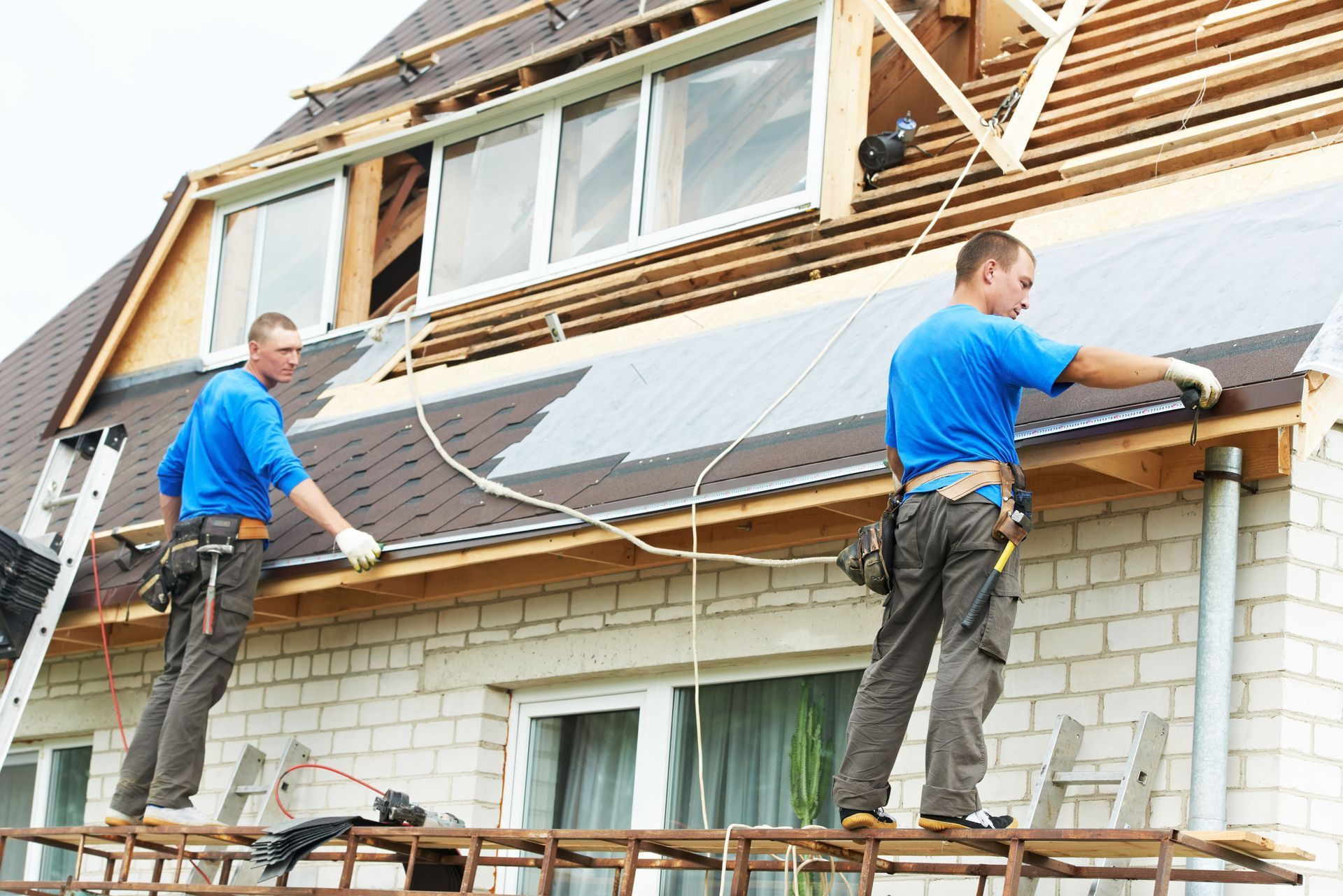
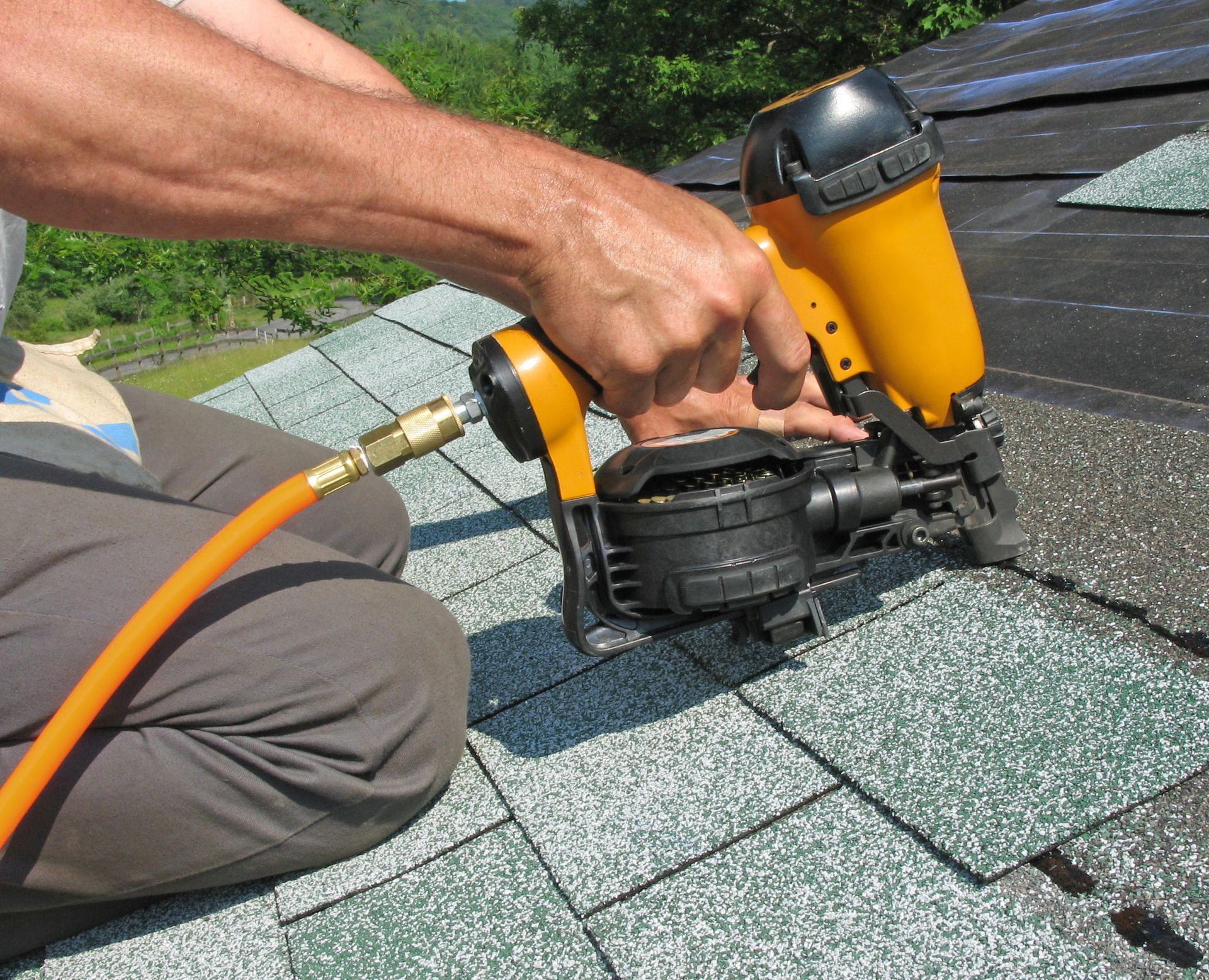
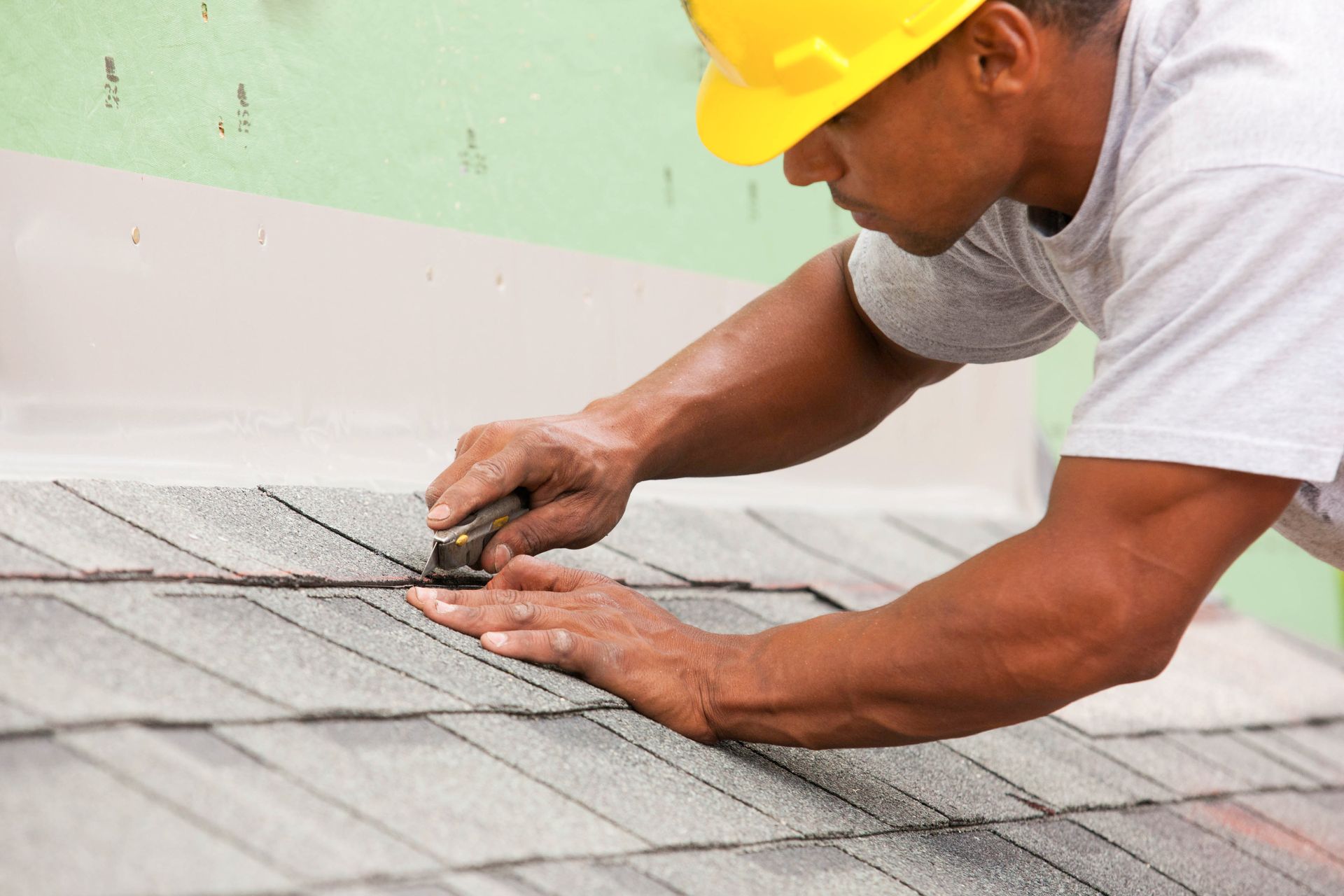
It can be tempting to turn roof repairs into a weekend DIY project to save a few dollars. However, roofing is highly dangerous work that requires specialized safety equipment, specific tools, and years of training. Making a mistake during a DIY repair can result in severe personal injury or cause further damage to your home.
Professional
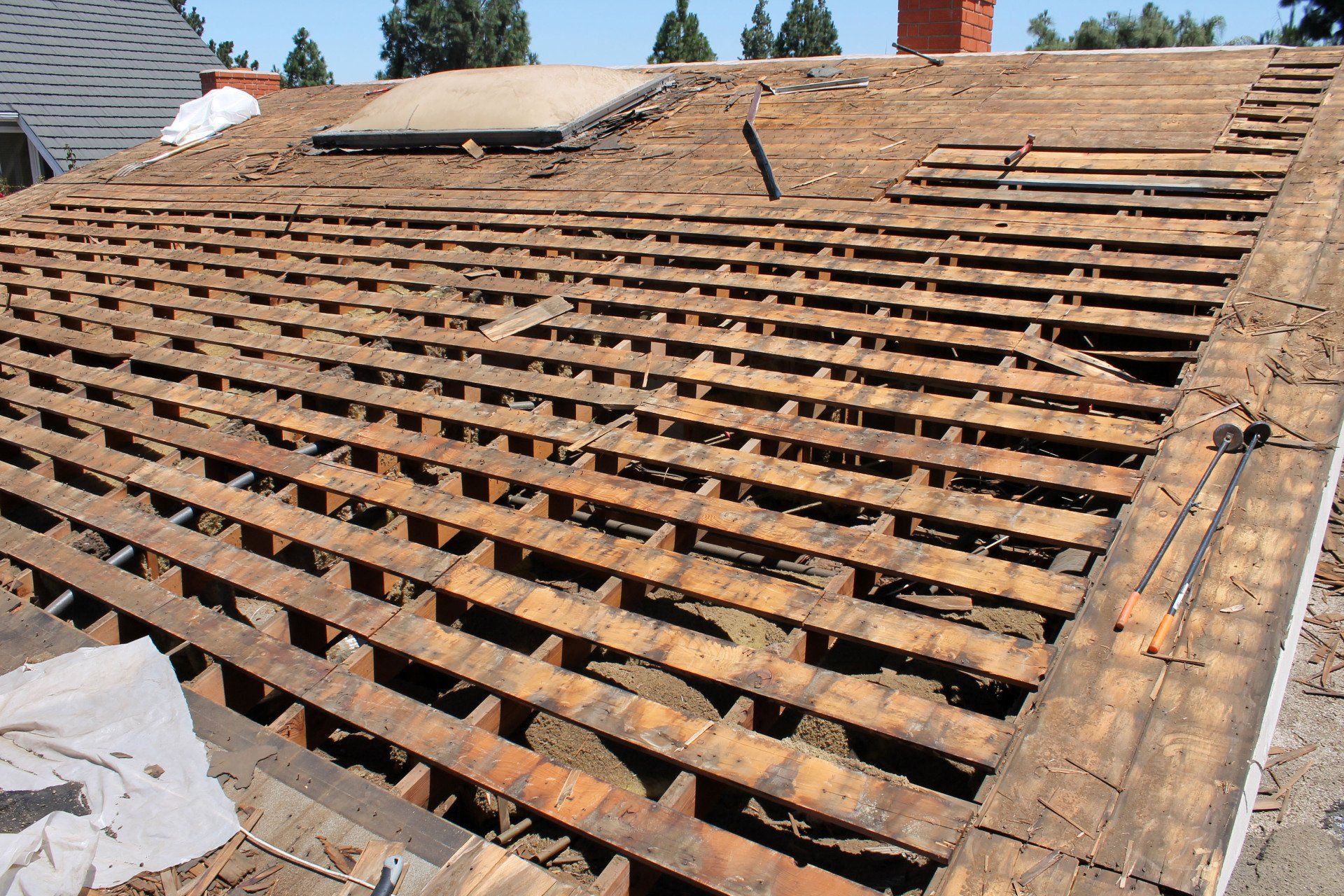
roofers bring the expertise necessary to diagnose the root cause of a leak, rather than just patching the surface symptom. They also have access to high-quality materials and can offer warranties on their craftsmanship. When you hire an experienced contractor, you ensure the job is completed safely, efficiently, and in accordance with local building codes. Investing in professional services guarantees your home remains secure against any weather conditions.
Choosing the Right Contractor for Your Home
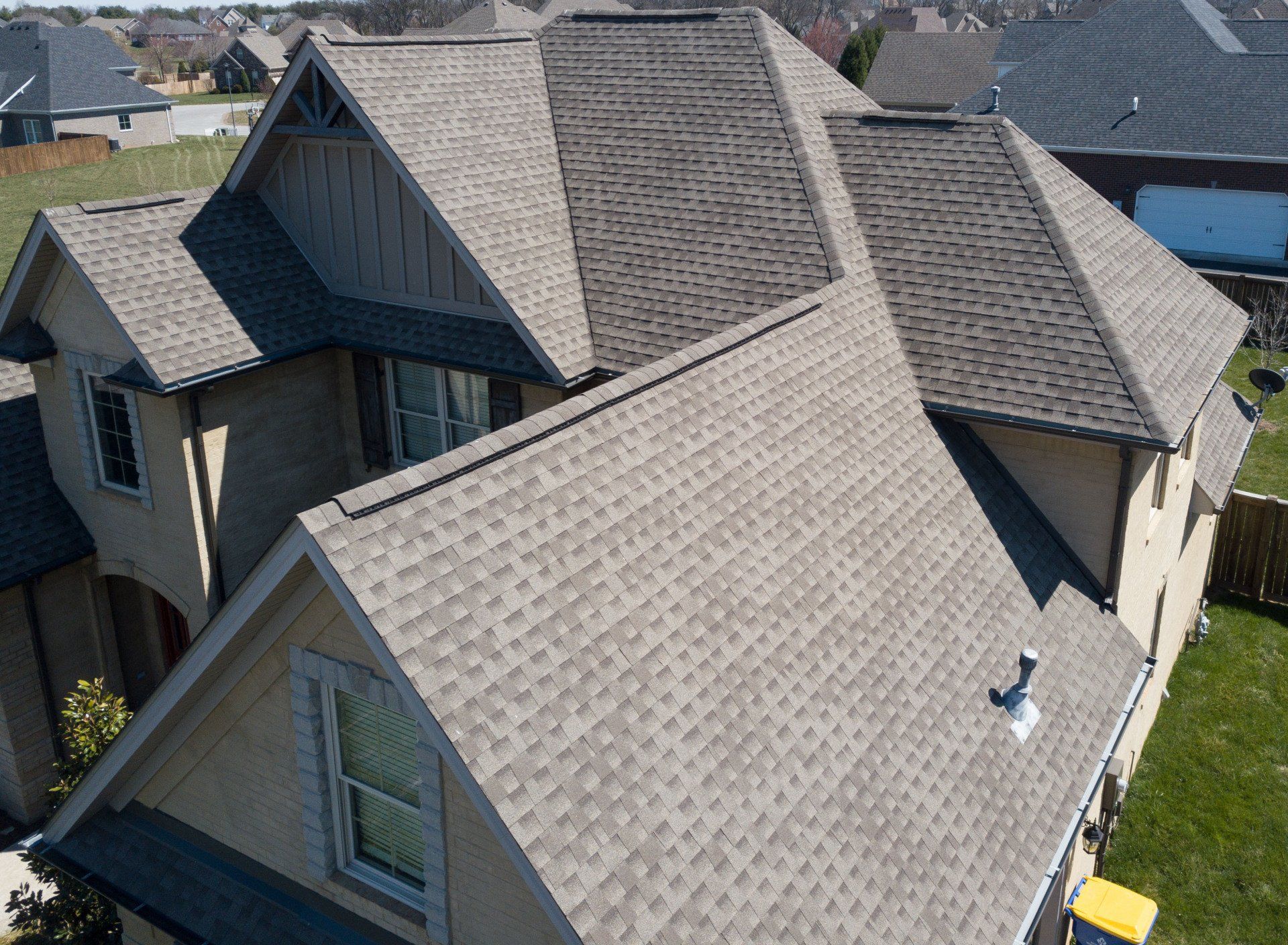
Maintaining a healthy roof requires consistency, a sharp eye for detail, and a commitment to addressing problems early. By cleaning your gutters, trimming nearby trees, and monitoring your shingles, you can maximize the lifespan of your roof. When it comes to complex repairs, structural inspections, or full replacements, relying on trusted professionals is always the smartest choice. For expert craftsmanship, comprehensive inspections, and dependable roofing services, contact Thomas Home Improvements.
Share On: