
7 Common Roof Repairs You Shouldn't Delay
Maintaining a roof is essential to protecting a home from weather damage, moisture, and structural deterioration. Even minor problems can become expensive when left unaddressed. Small leaks may spread into walls and ceilings, damaged shingles can expose the roof deck, and drainage issues can contribute to foundation damage. Recognizing common roofing problems and arranging timely repairs helps homeowners avoid unnecessary expenses while preserving their property's value.
1. Roof Leaks: Preventing Water Damage
Identifying Common Leak Sources
Roof leaks frequently develop around chimneys, skylights, vents, and valleys where different roof sections meet. These areas rely on flashing and protective seals to prevent water from entering the home. Weather exposure and aging materials can weaken these barriers. A professional roofing service can identify deteriorating materials and repair small openings before water spreads into the underlying structure.
Recognizing Warning Signs
Water stains on ceilings, peeling paint, damp insulation, and musty attic odors can indicate a developing leak. Homeowners may also notice dripping water during heavy rainfall. Moisture can travel through roofing materials before becoming visible indoors, making the original source difficult to identify without an inspection. Prompt repairs help prevent damage to drywall, insulation, and wooden supports.
2. Damaged Shingles: Restoring Exterior Protection
Understanding What Causes Shingle Damage
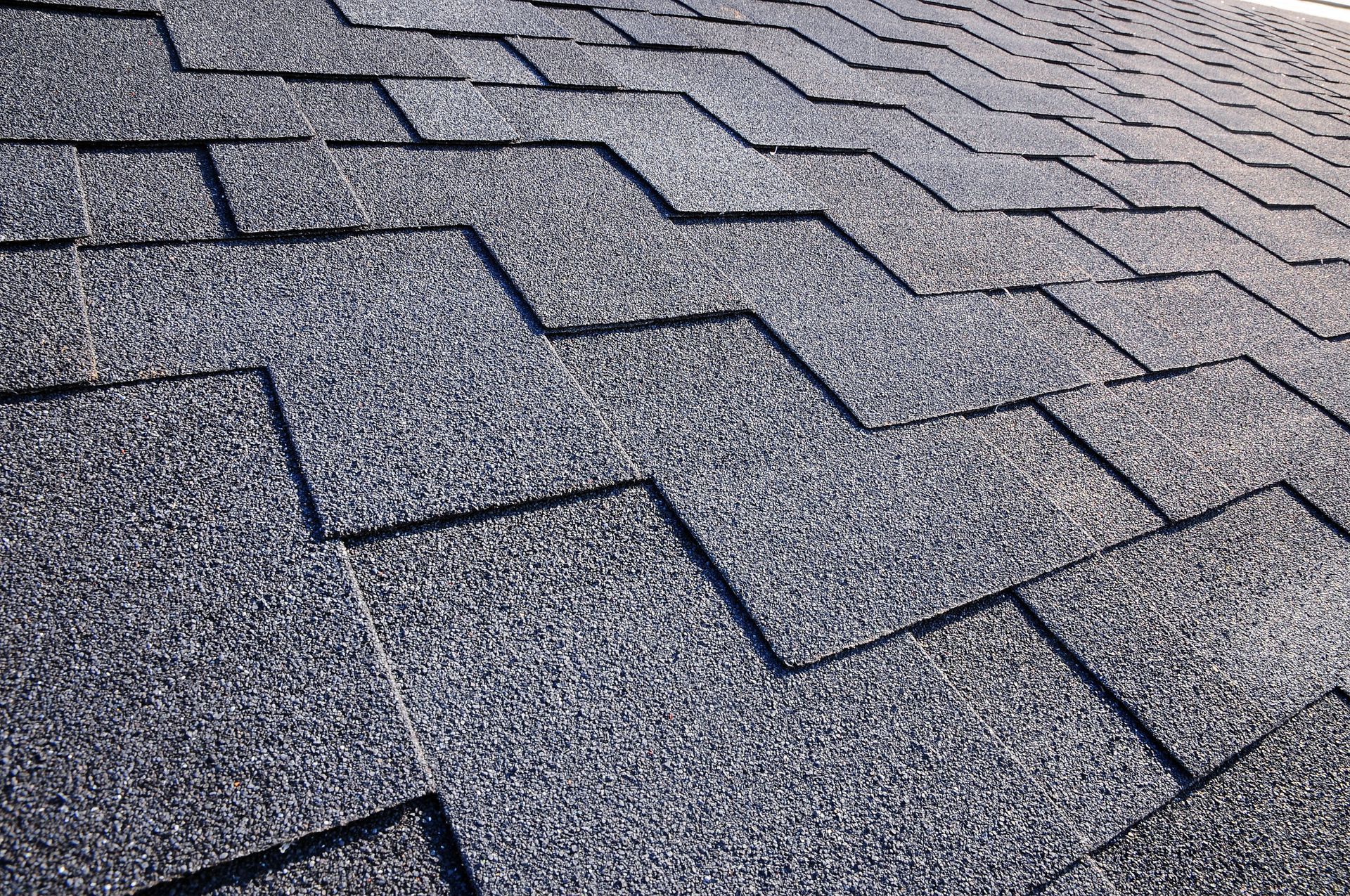
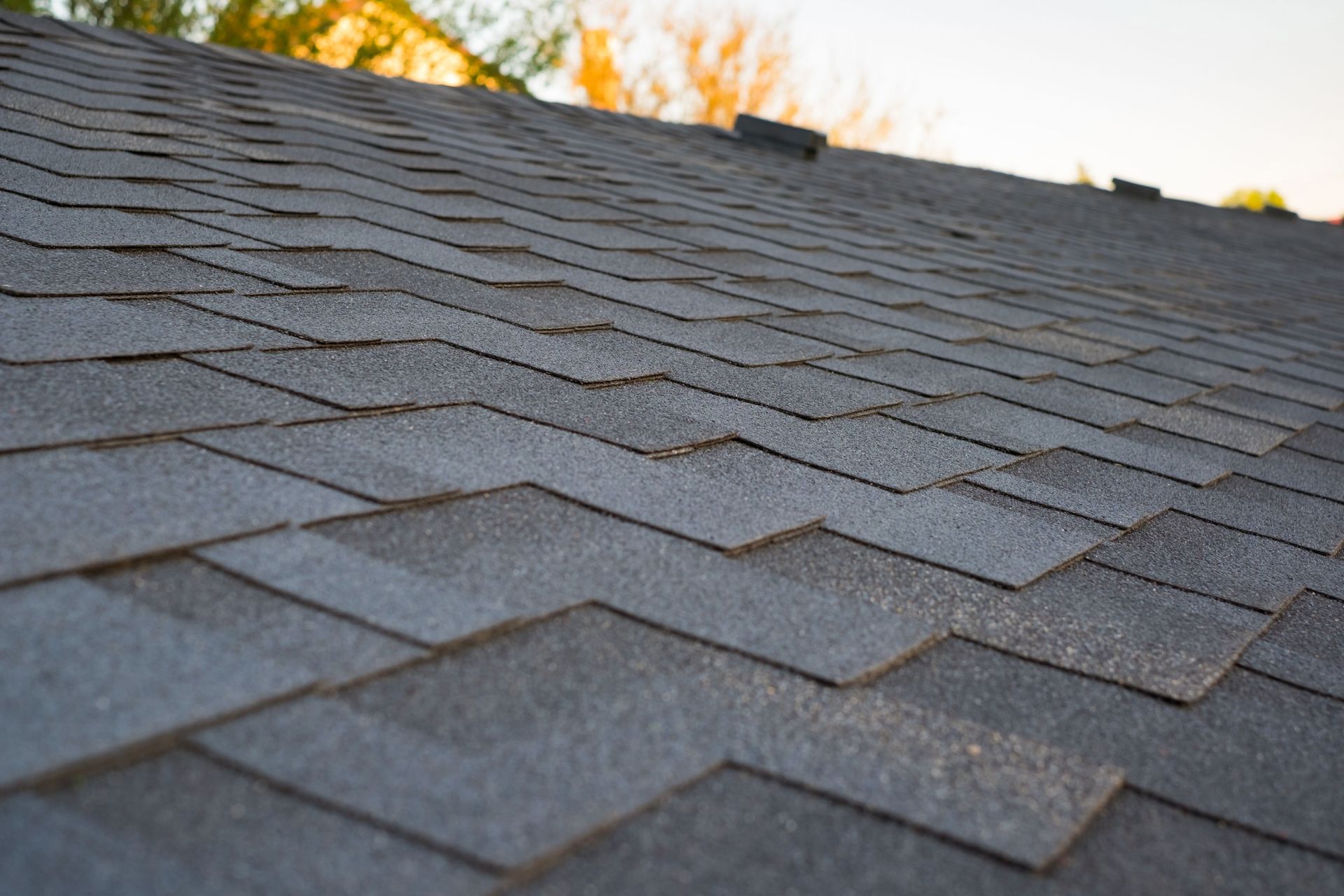
Shingles experience constant exposure to sunlight, wind, rain, and changing temperatures. Over time, these conditions can cause materials to crack, curl, split, or lose protective granules. Hail and strong winds may also loosen or remove shingles. Poor installation and low-quality materials can accelerate deterioration, leaving the roof deck vulnerable to moisture.
Identifying Signs of Deterioration
Missing shingles, curling edges, and excessive granules collecting in gutters are common warning signs. Homeowners should also watch for dark patches and uneven roof surfaces. After severe weather, checking for visible changes from the ground can help identify potential problems. A qualified roofing service can examine damaged areas and determine whether individual shingles or larger sections need attention.
Choosing Between Repairs and Replacement
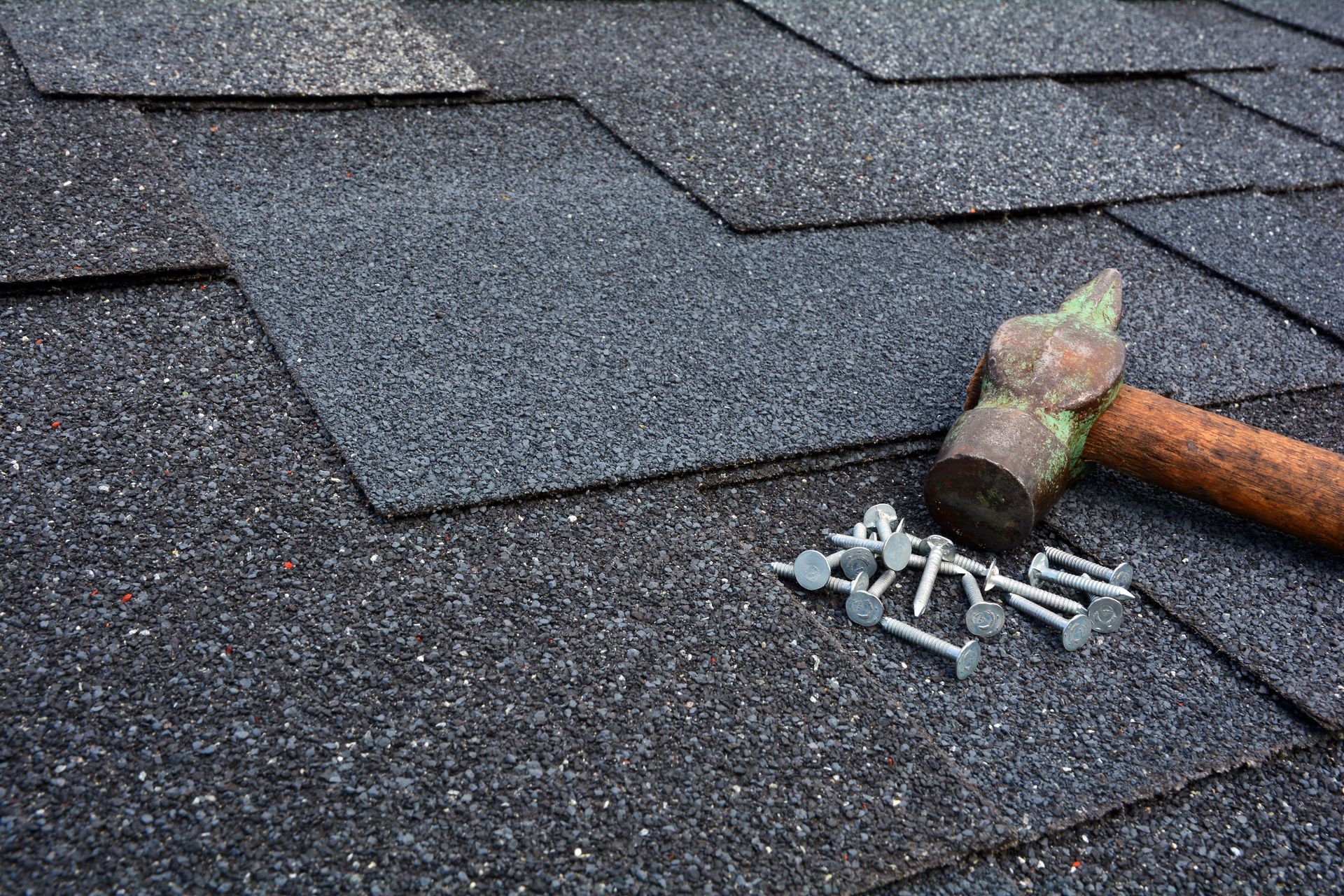
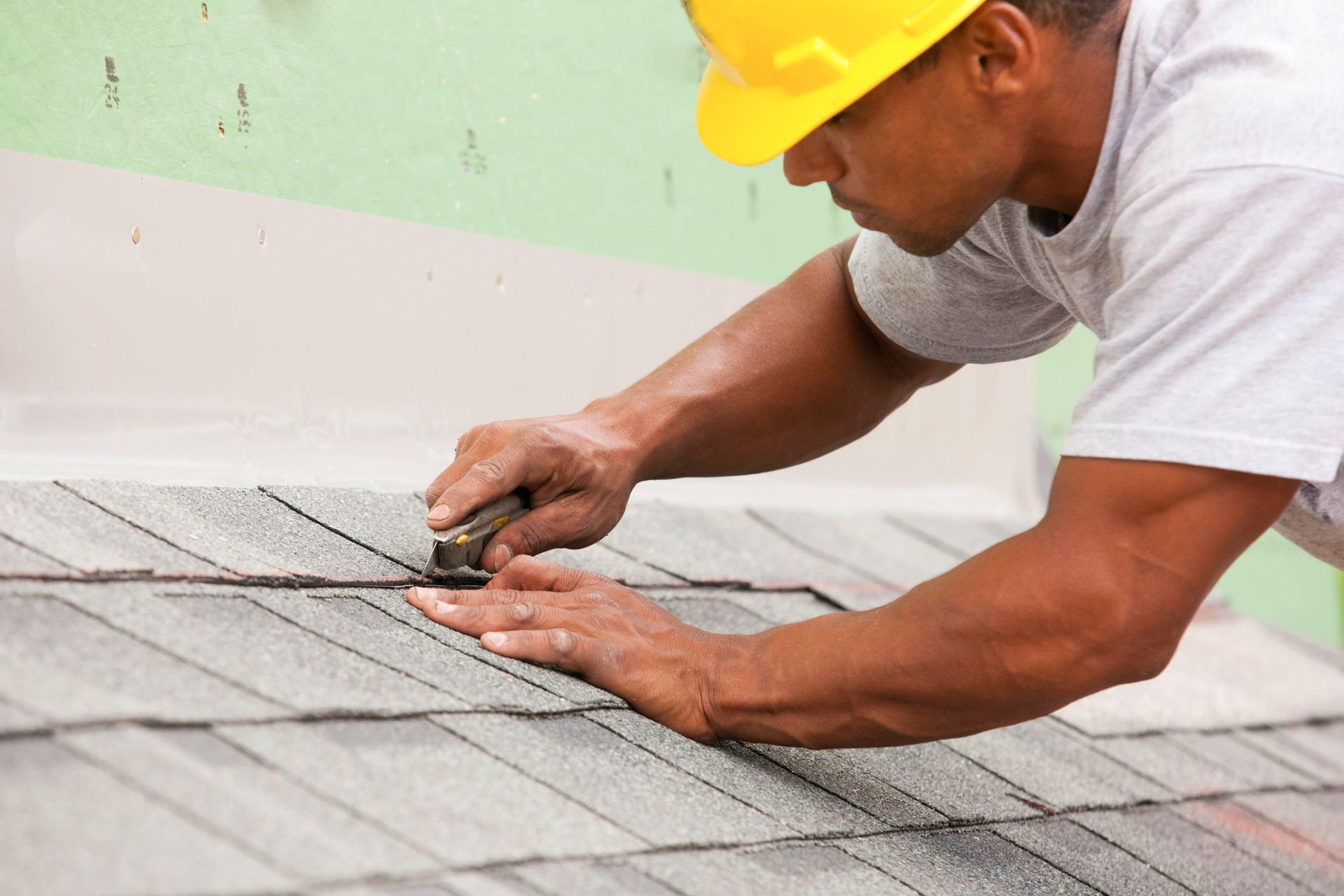
A few damaged shingles may only require localized repairs when surrounding materials remain in good condition. However, widespread deterioration, recurring leaks, or an aging roof may indicate that replacement is more practical. A professional assessment helps determine the extent of the damage and the most appropriate solution.
3. Flashing Failures: Sealing Vulnerable Areas
Understanding the Purpose of Flashing
Roof flashing directs water away from joints and openings where roofing materials meet. It is commonly installed around chimneys, skylights, vents, and roof valleys. Aluminum, copper, and galvanized steel are frequently used because they provide protection against moisture exposure. Properly installed flashing helps prevent water from entering areas that shingles alone cannot adequately protect.
Recognizing Common Flashing Problems
Flashing can deteriorate because of corrosion, loose fasteners, damaged sealants, or improper installation. Strong winds and temperature changes may also cause sections to lift or separate. Homeowners should watch for rust, visible gaps, bent edges, and water stains near roof penetrations. These problems can allow moisture inside even when surrounding shingles appear undamaged.
Repairing Damaged Flashing Promptly
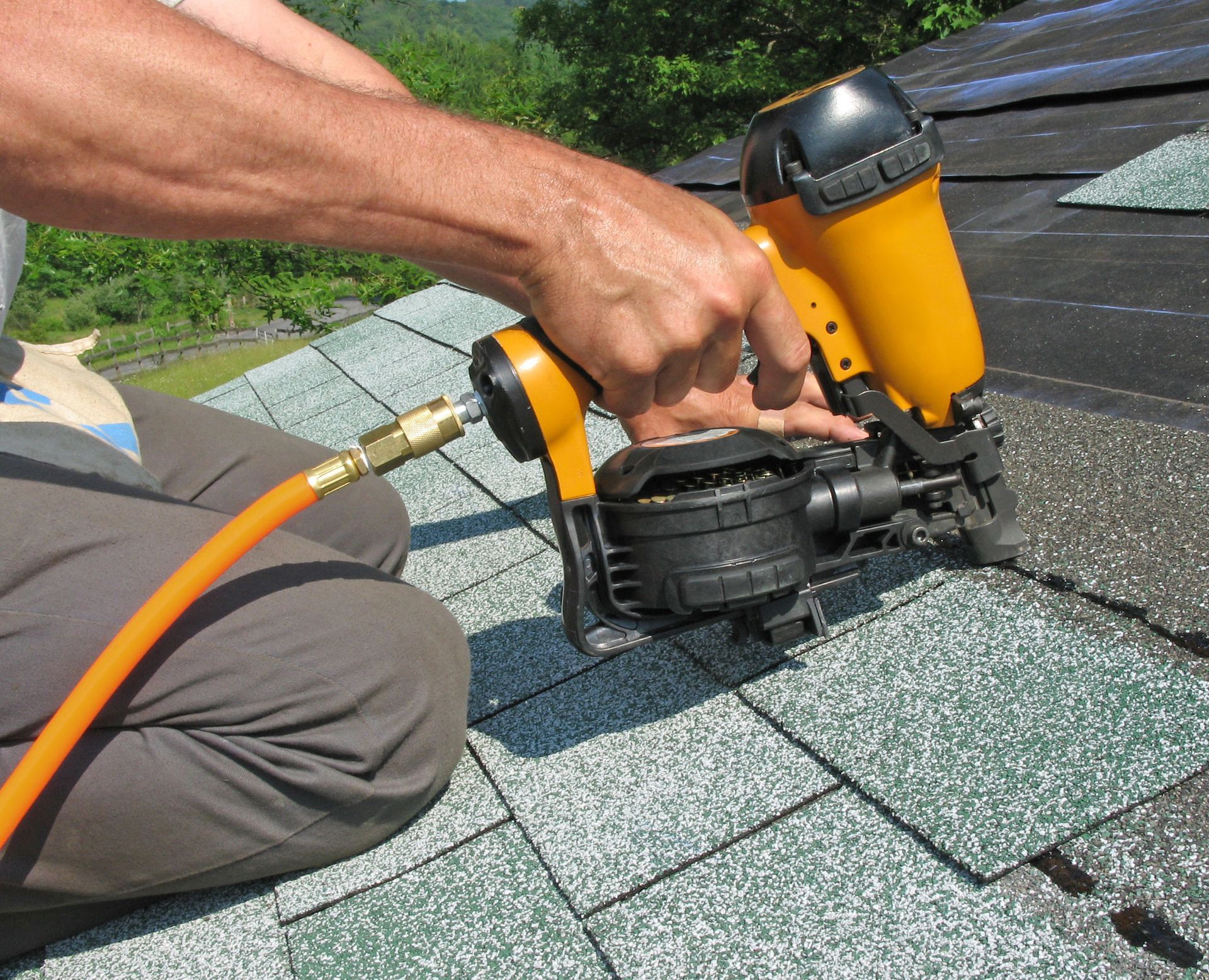
Roofing service repairs may involve resealing joints, securing loose sections, or replacing deteriorated flashing. Minor issues may be addressed with appropriate sealants, but extensive corrosion generally requires replacement. Professional repairs restore proper water protection and reduce the likelihood of recurring leaks.
4. Roof Sagging: Maintaining Structural Stability
Identifying the Causes of Sagging
A sagging roof may result from weakened support beams, excessive weight, prolonged moisture exposure, or inadequate structural design. Heavy snow and standing water can place additional pressure on roofing components. Older structures may also develop problems as wooden supports deteriorate or pest damage weakens important connections.
Recognizing Potential Structural Risks
Visible dips along the roofline, uneven surfaces, bent gutters, and cracks in interior ceilings can indicate structural concerns. Ignoring these symptoms allows weakened supports to deteriorate further. Severe problems may eventually compromise the roof's ability to withstand normal weather conditions, making prompt professional evaluation essential.
Restoring Proper Roof Support
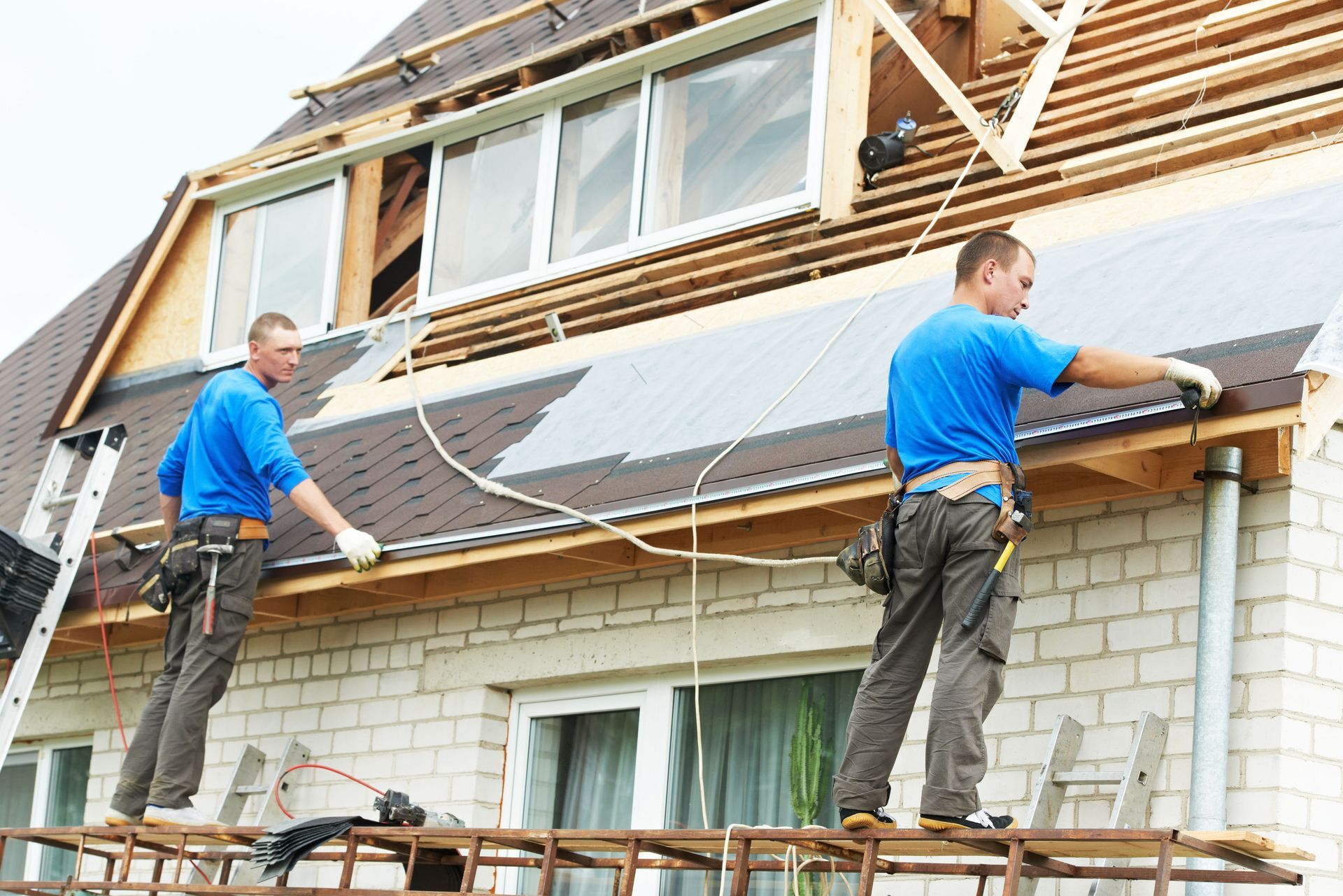
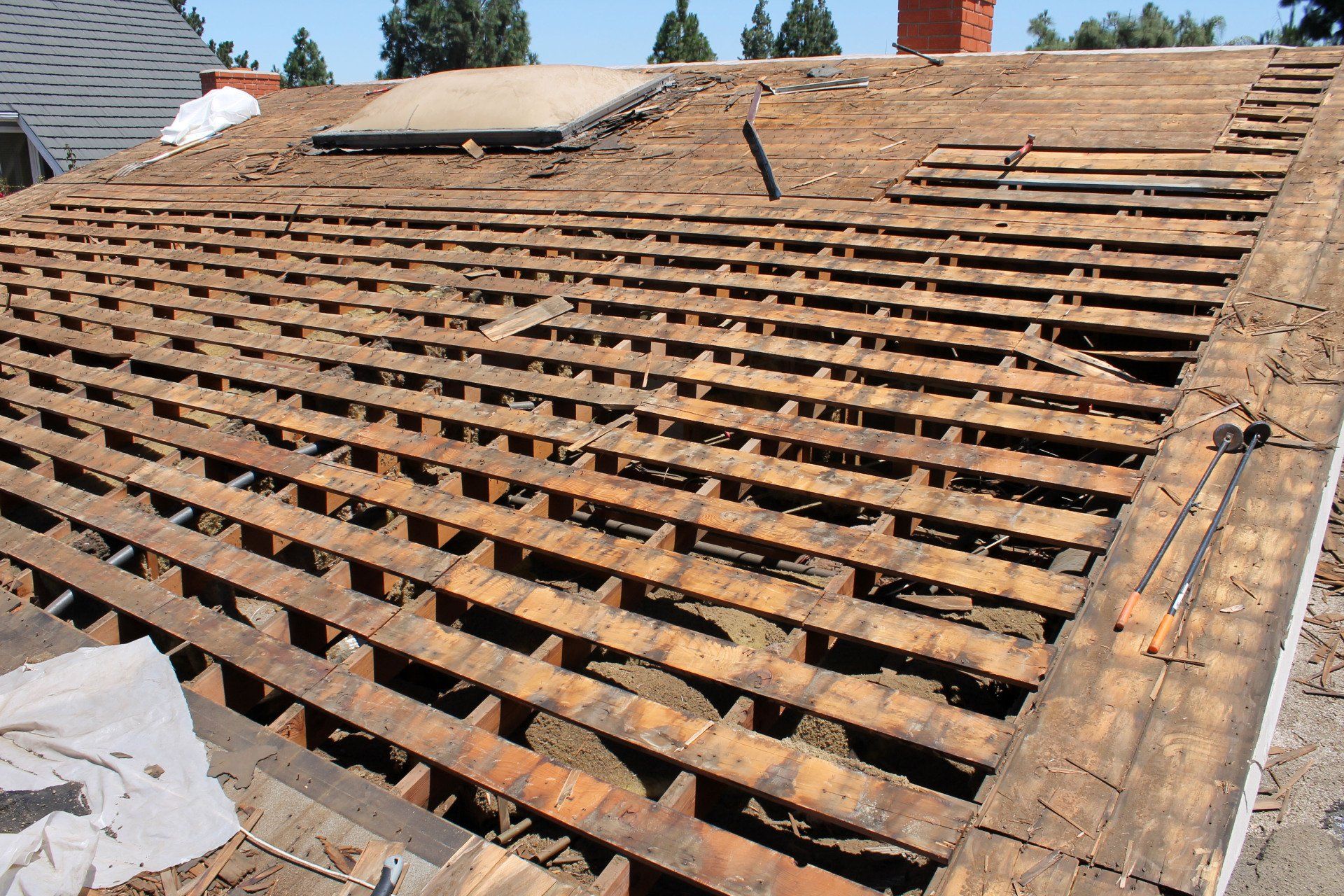
Repairing a sagging roof begins with identifying the underlying structural weakness. Work may involve reinforcing support beams, replacing deteriorated materials, or correcting drainage problems. Extensive damage may require significant reconstruction. An experienced roofing service can evaluate the condition and recommend repairs that restore stability.
5. Gutter Problems: Protecting Roofing and Drainage
Understanding the Importance of Gutters
Gutters collect rainwater and direct it away from the roof, siding, and foundation. When functioning correctly, they help prevent water from accumulating around vulnerable areas. Clogged or damaged gutters can cause water to overflow and collect along roof edges, potentially damaging fascia boards, siding, and foundation materials.
Identifying Common Gutter Issues
Frequent problems include debris buildup, loose connections, corrosion, leaks, and improper slopes. Homeowners may notice water spilling over the edges during rainfall, sagging sections, or puddles forming near the foundation. These warning signs suggest that the drainage system needs attention.
Maintaining Reliable Water Drainage
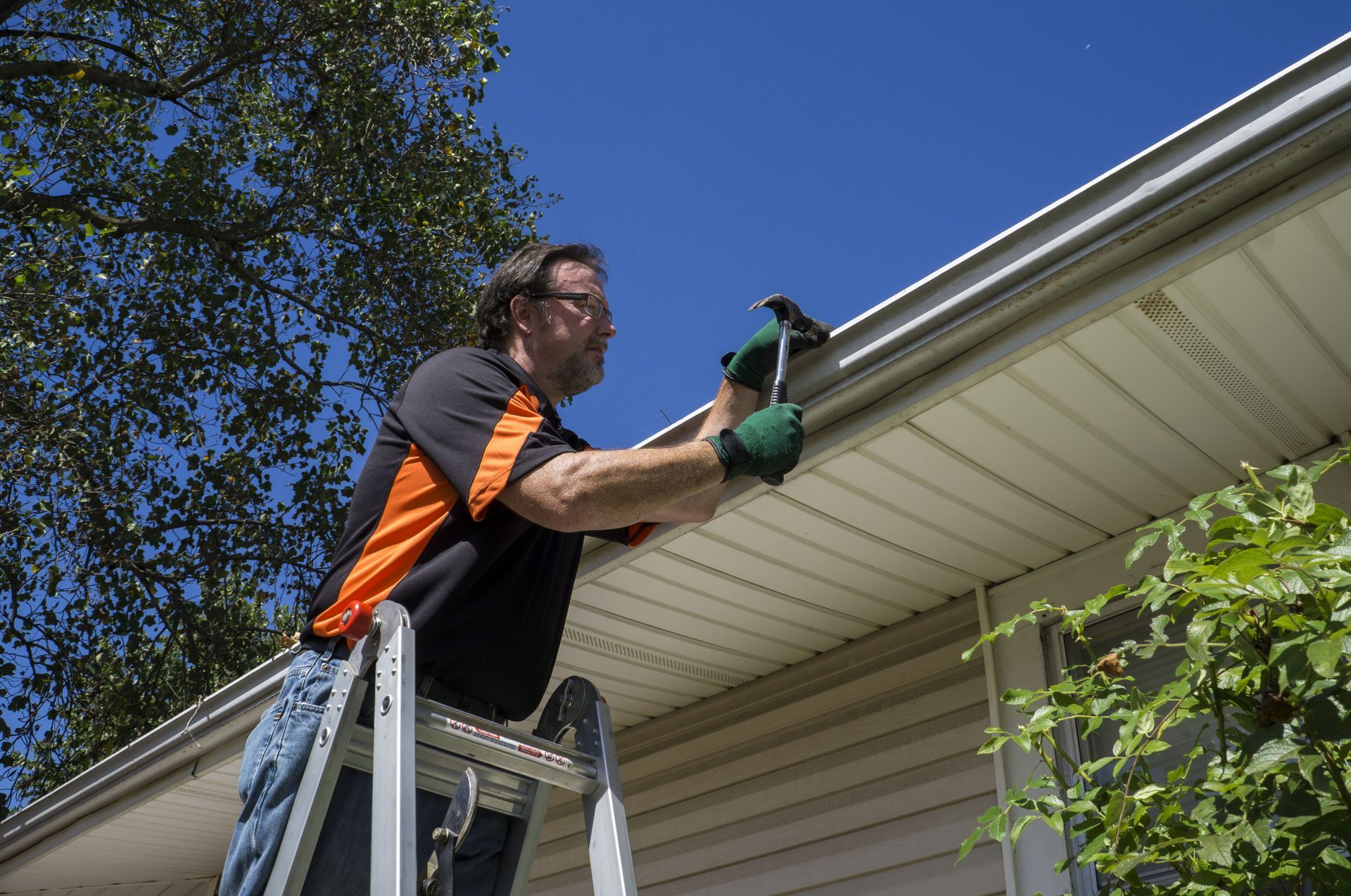
Cleaning gutters regularly helps prevent blockages caused by leaves, branches, and other debris. Homeowners should also check for loose brackets, leaking joints, and sections that no longer drain properly. Gutter guards may reduce debris accumulation, although periodic maintenance remains important. When gutter problems contribute to roof damage, a professional roofing service can inspect affected areas and recommend repairs.
6. Attic Ventilation: Controlling Heat and Moisture
Understanding the Role of Proper Ventilation
Attic ventilation helps regulate temperature and moisture levels beneath the roof. During warmer months, adequate airflow allows excess heat to escape instead of building up inside the attic. In colder weather, proper ventilation helps control moisture and maintain more consistent roof temperatures. Without sufficient airflow, roofing materials and structural components may experience unnecessary stress.
Recognizing Signs of Poor Airflow
Excessive attic heat, condensation, mold growth, and damp insulation can indicate ventilation problems. Homeowners may also notice peeling paint or unusually high cooling costs. These symptoms suggest that warm, humid air may not be escaping effectively. Periodic attic inspections can help identify concerns before they contribute to more extensive deterioration.
Correcting Ventilation Problems
Improving attic ventilation may involve installing ridge vents, soffit vents, or other components designed to encourage consistent airflow. Existing vents should remain free of insulation and debris that could restrict circulation. Professional evaluation and roofing service help determine the appropriate solution for the home's design and climate.
7. Routine Maintenance: Extending Roof Lifespan
Prioritizing Regular Inspections
Loose materials, deteriorating seals, minor cracks, and drainage concerns can develop gradually before becoming obvious. Scheduling routine inspections helps identify these conditions while repairs are still manageable. Homeowners should also consider additional inspections after major storms, particularly when strong winds or hail may have affected the property.
Addressing Small Problems Immediately
Minor roofing concerns should receive attention before they develop into larger issues. Replacing a damaged shingle, resealing a vulnerable joint, or correcting a drainage problem can prevent more extensive deterioration. According to This Old House, proper maintenance, including regular inspections, cleaning gutters, trimming overhanging tree branches, and making small repairs immediately, can extend a roof's life by 5-10 years beyond its expected lifespan. Consistent attention to these tasks can reduce unexpected expenses and preserve the home's protective structure.
Roof leaks, damaged shingles, flashing failures, structural sagging, gutter problems, and ventilation concerns can all affect a home's safety and long-term condition. Delaying necessary repairs can lead to expensive complications. Regular inspections and prompt attention to developing issues help maintain roofing performance and protect property value. Homeowners who need professional assistance can contact Thomas Home Improvements for dependable roofing service and guidance on addressing existing roof concerns. Taking action today can help prevent avoidable damage and keep your home protected for years to come.
Share On: