
7 Questions to Ask Your Roof Installer
Understanding the importance of communication with your roof installer can significantly affect the outcome of your roofing project. A well-informed homeowner can ensure that their roofing project aligns with their expectations and lasts for decades. Asking the right questions helps cover materials, processes, warranties, and more. With the right inquiries, you can protect your investment and achieve a long-lasting, functional roof.
1. What Type of Roofing Material is Best for My Home?
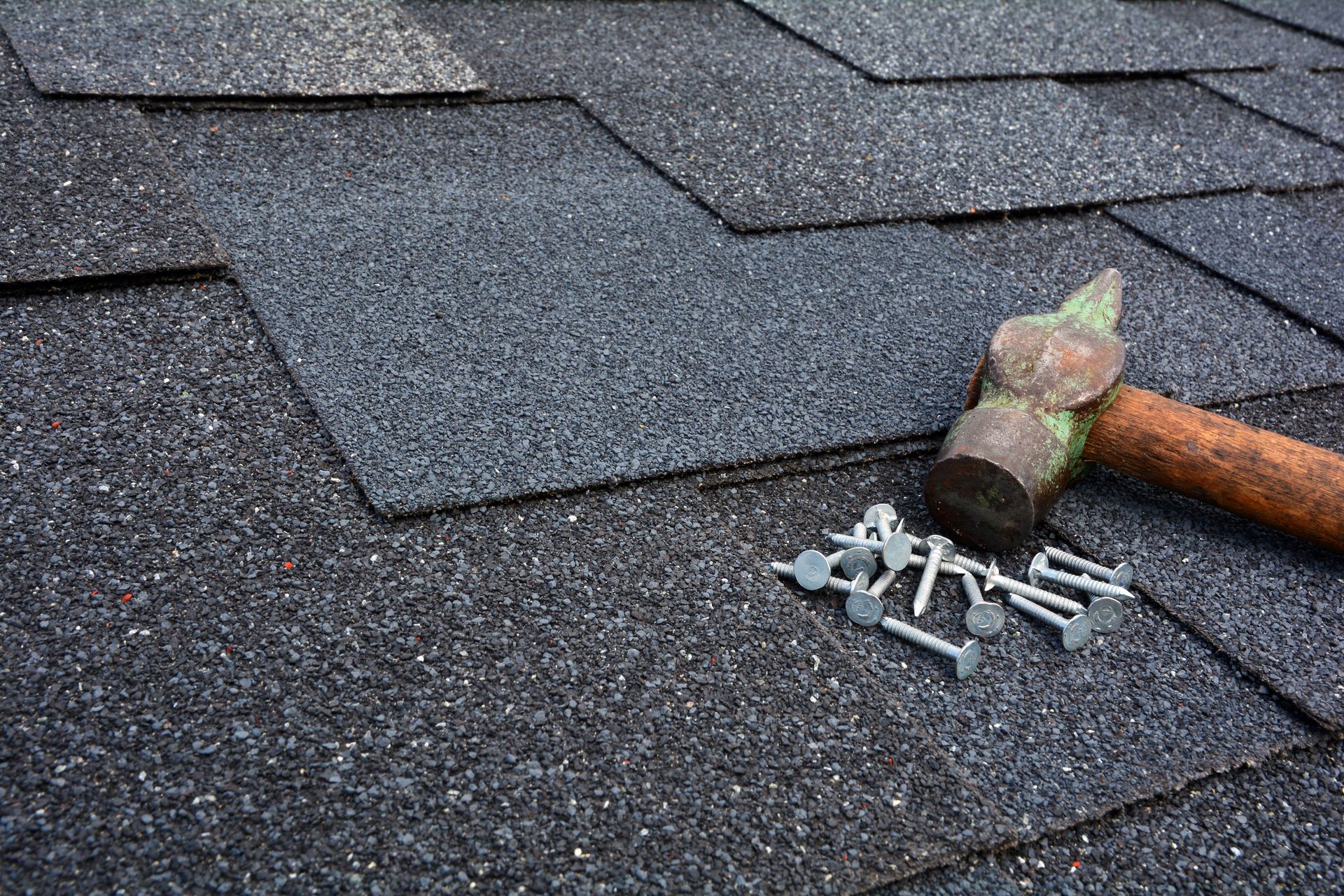
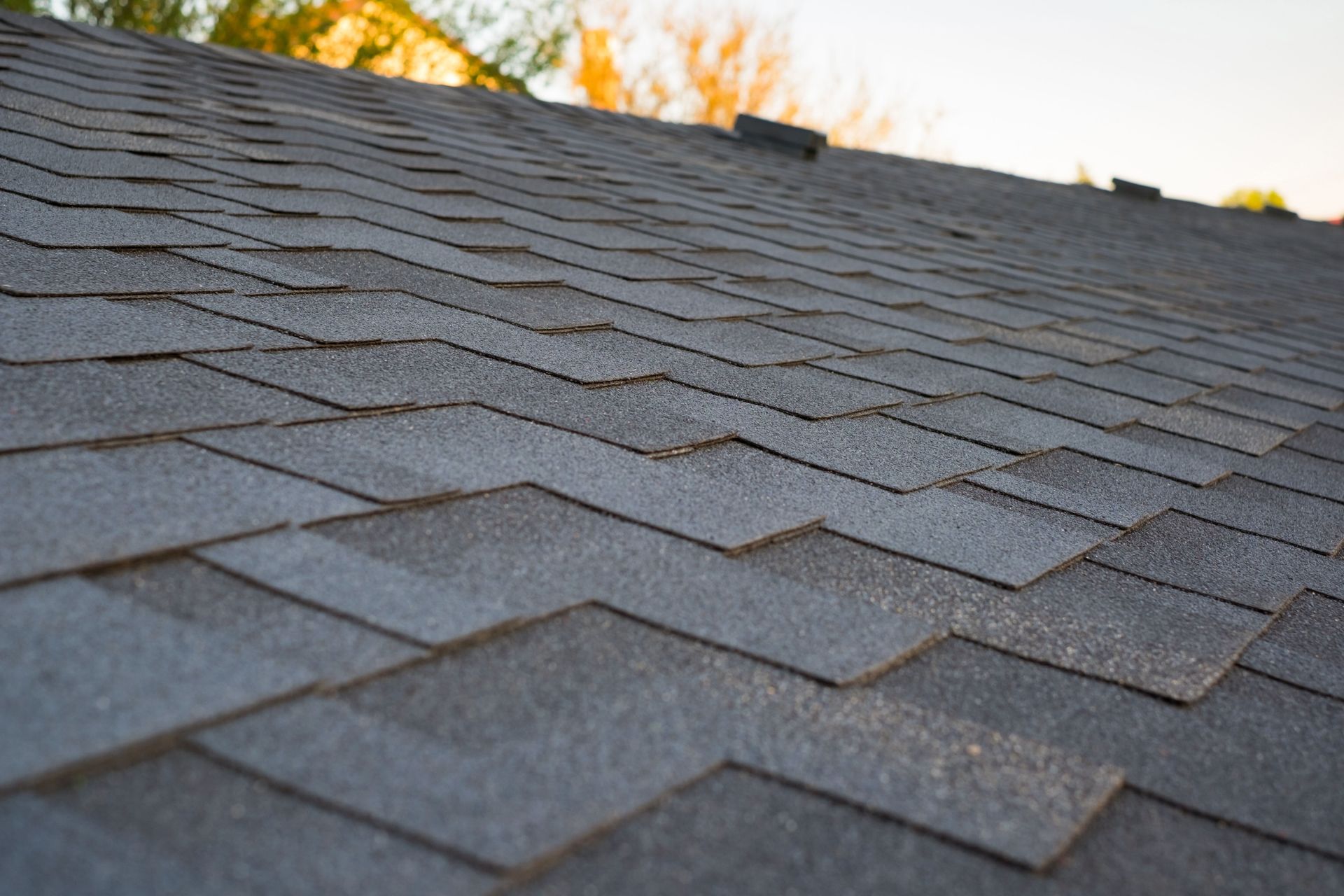
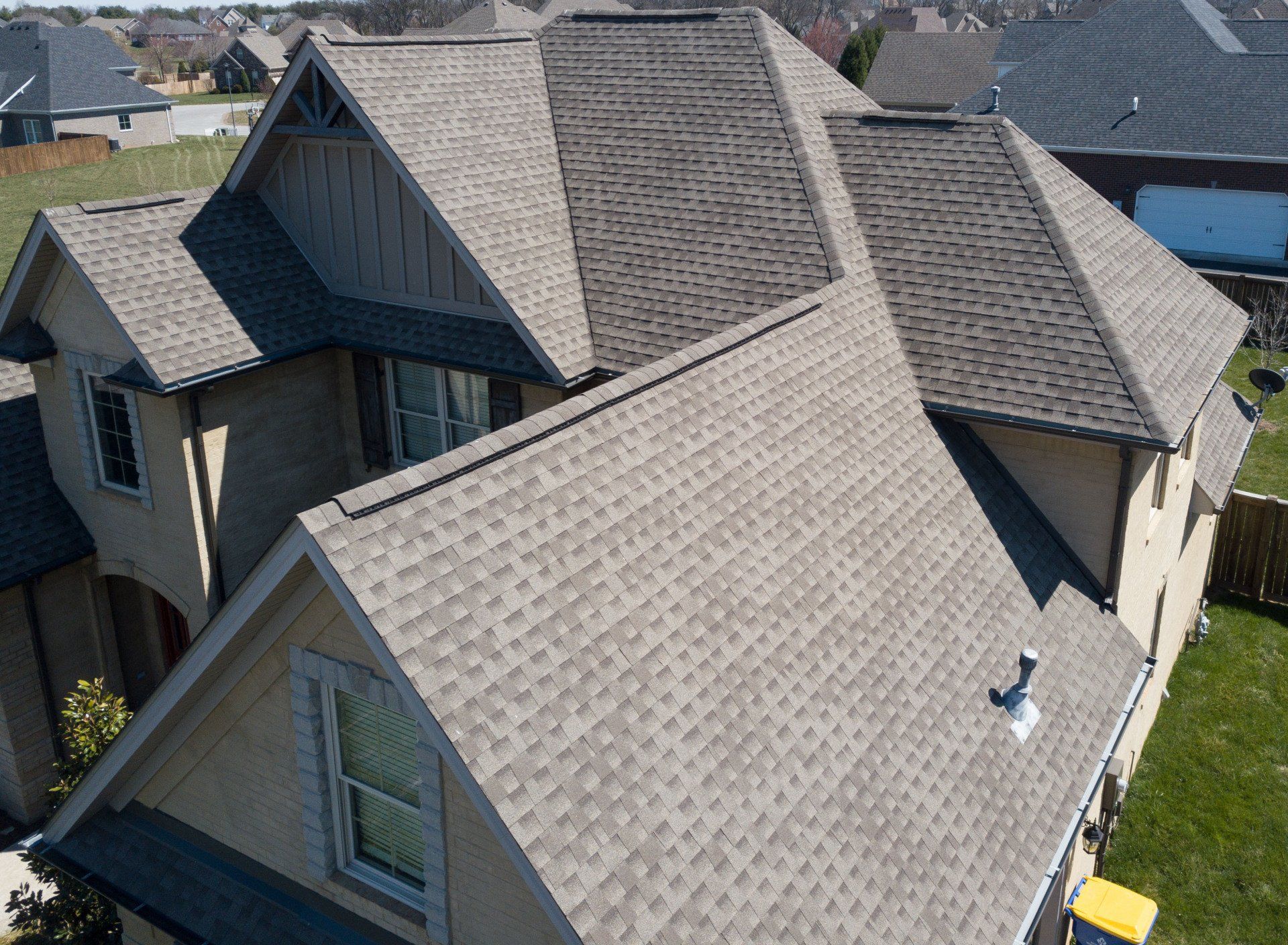
Choosing the right roofing material is critical for your roof's longevity and performance. Common options include asphalt shingles, which are affordable and easy to install. Metal roofing offers durability and a modern look, while tile and slate provide classic aesthetics and long-lasting performance but at a higher initial cost. According to the National Association of Home Builders (NAHB), each material offers distinct advantages and can significantly impact your home’s overall appearance and functionality. Factors such as local climate, architectural style, and personal preferences, including color and texture, should guide your choice. Budget and long-term goals for maintenance also play a pivotal role. For instance, asphalt shingles may need replacement more frequently, whereas metal or slate roofs can last 40 to 50 years, providing potential long-term savings despite higher upfront costs. Environmental impact is increasingly important, with metal and tile reflecting sunlight to reduce cooling costs, while some asphalt options are partially recyclable. Selecting eco-friendly materials can improve energy efficiency and reduce your home’s carbon footprint. Finally, ensure your installer has experience with your chosen material, as different options require specialized installation techniques to perform optimally.
2. What is Your Installation Process?
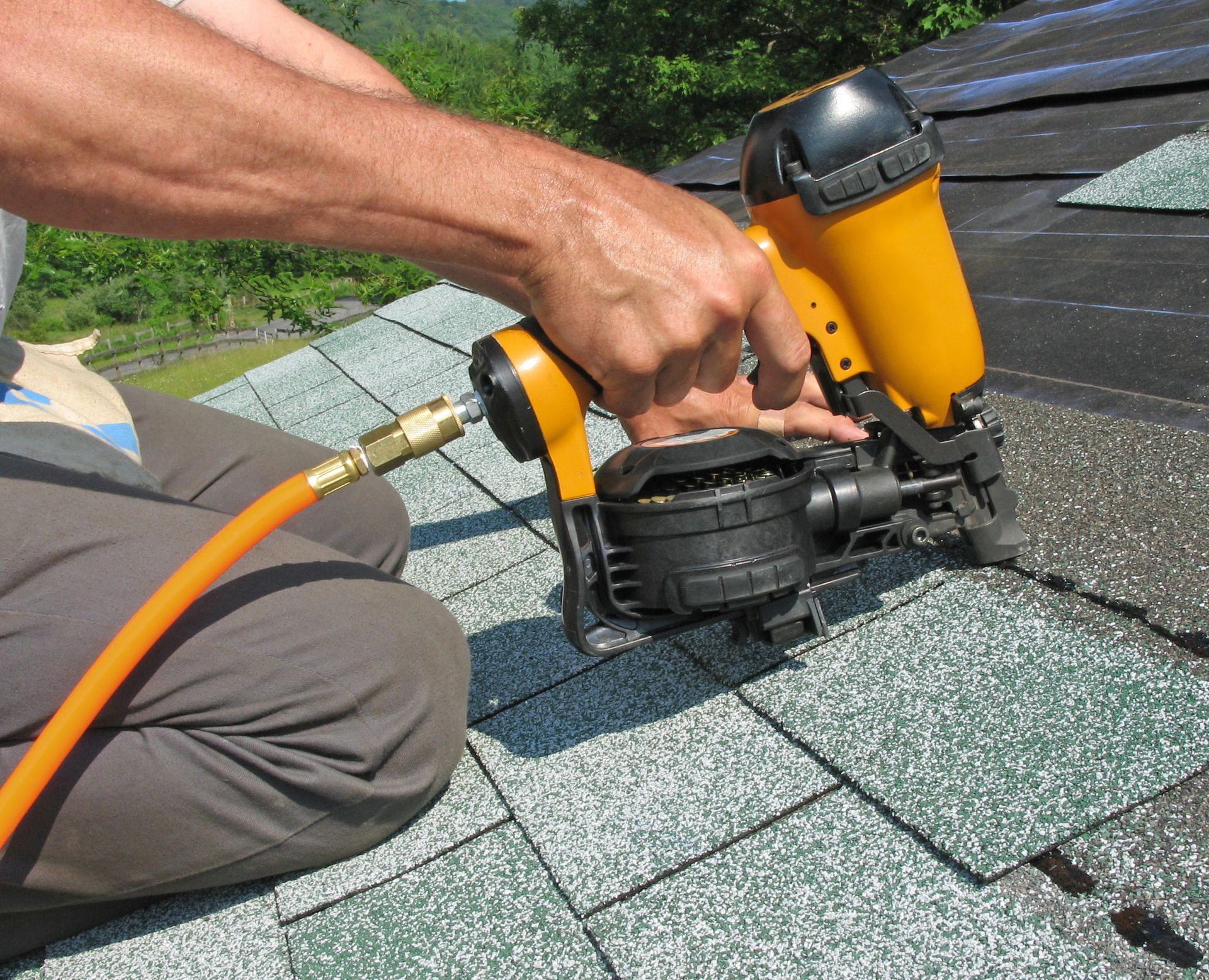
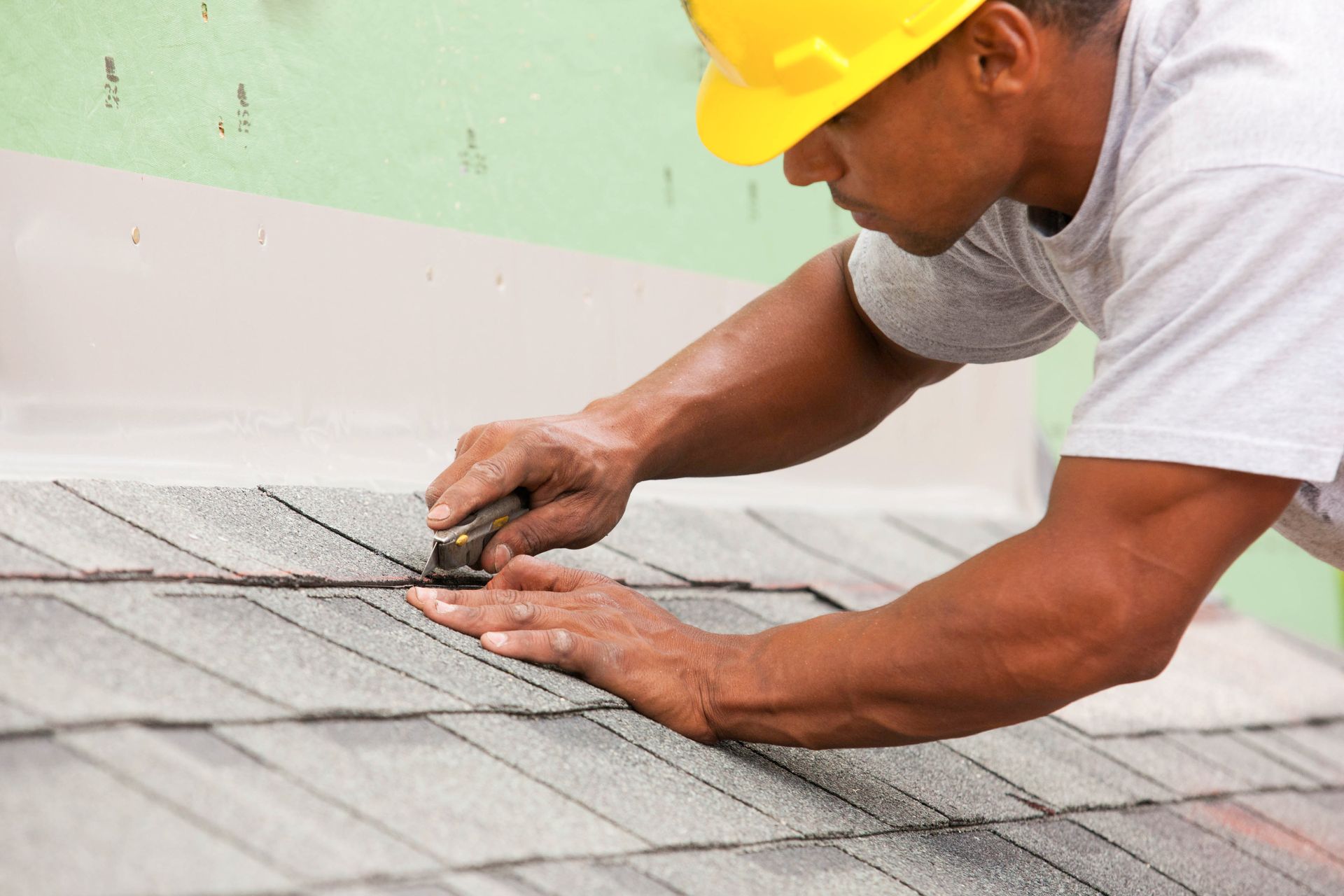
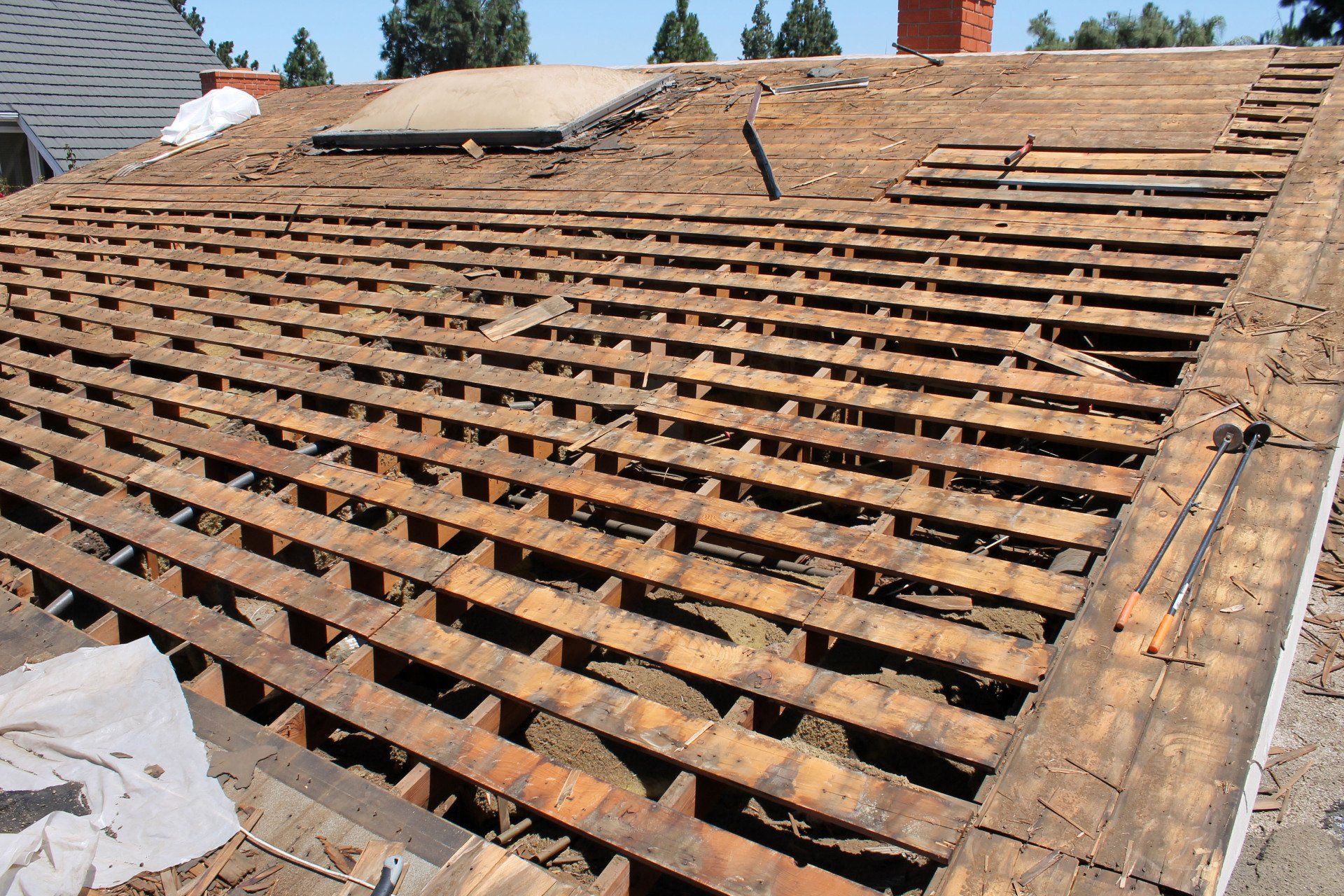
Understanding the installation process helps set realistic expectations and ensures your project runs smoothly. Typically, installation begins with a detailed inspection and preparation of the roof deck, followed by underlayment to protect against moisture. Roofing materials are then installed, along with flashing, vents, and other necessary components. The timeline varies depending on material and complexity; asphalt shingles can be completed in days, while tile or slate projects may take weeks. Discuss potential delays, such as weather interruptions or material backorders, with your installer. Safety protocols are paramount—confirm that workers are trained, equipped, and compliant with all regulations. Unforeseen challenges, from structural issues to weather delays, are common, so ask how your installer handles changes. Finally, post-installation procedures, including workspace cleanup and a walkthrough, are essential to ensure the project meets your expectations and standards.
3. What Warranties and Guarantees Do You Offer?
Warranties protect against material defects and workmanship issues. Manufacturer warranties typically cover materials, while installer warranties cover installation-related problems. It is important to review coverage duration and limitations, noting that materials such as asphalt shingles may have shorter warranties compared to metal or slate. Understanding the claims process is essential; your installer should provide clear instructions for reporting issues, including documentation requirements. Discuss potential exclusions, such as damage from natural events, improper maintenance, or unauthorized repairs. After-sales support is equally important—choose a roofing company that offers reliable customer service for follow-up questions, maintenance, or repairs. Comprehensive warranties and support enhance peace of mind and safeguard your investment.
4. How Experienced and Reputable is Your Roofing Company?
Evaluating an installer’s reputation ensures quality and reliability. Start by checking references and reviewing past projects to assess workmanship and professionalism. Certifications and licenses verify compliance with industry standards, while manufacturer-specific certifications indicate expertise with particular materials. Years in business can demonstrate stability and breadth of experience, giving confidence in their problem-solving capabilities. Membership in professional organizations, such as the National Roofing Contractors Association, reflects ongoing training and adherence to best practices. Online reviews on platforms like Google, Yelp, or the Better Business Bureau provide insights into customer satisfaction and responsiveness. According to roofing company surveys, homeowners often prioritize installers who consistently demonstrate reliability, professionalism, and a commitment to quality.
Another way to gauge a roofing company’s reputation is by examining their approach to customer service. A company that promptly responds to inquiries, provides clear explanations, and maintains open communication during projects is often more trustworthy. Contractors who are proactive in addressing concerns or offering solutions demonstrate accountability and a client-focused mindset. Homeowners should pay attention not just to the quality of work, but also to the level of professionalism displayed in interactions, as this can significantly affect the overall experience.
Additionally, consider the company’s involvement in community or industry initiatives. Roofing companies that participate in local events, provide training opportunities, or contribute to charitable causes often reflect a culture of responsibility and reliability. Such engagement suggests that the company values long-term relationships and has a vested interest in maintaining a positive reputation. By assessing both technical expertise and community presence, homeowners can make a more informed choice when selecting a roofing company, ensuring that their investment is in capable and reputable hands.
5. What Are the Costs and Payment Terms?
Understanding costs upfront prevents surprises. Request a detailed estimate covering materials, labor, permits, and additional services, and compare multiple quotes for fairness and competitiveness. Discuss payment schedules, including deposit requirements, subsequent payments, and acceptable payment methods. Deposits are often standard to secure project initiation, typically representing a percentage of the total cost. Transparency about additional costs is essential; clarify how unanticipated expenses will be handled and approved. Many roofing companies offer flexible financing options to make larger projects or higher-quality materials more affordable. Discussing costs and payment terms clearly ensures that both homeowner and installer are aligned on financial expectations throughout the project.
It’s also important to consider the long-term value of the investment when evaluating costs. Choosing the lowest bid may save money initially, but it can result in higher maintenance or replacement expenses down the line if the materials or workmanship are subpar. Homeowners should weigh quality, durability, and warranty coverage alongside the quoted price. According to roofing company surveys, those who invest in reputable installers and high-quality materials often experience fewer issues and greater satisfaction over the lifespan of their roof. Taking a holistic view of costs ensures that the project is both financially sound and sustainable.
6. How Will You Manage Communication and Project Oversight?
Clear communication is key to a successful roofing project. Establish primary points of contact, typically a project manager or supervisor, to ensure seamless information flow. Regular updates and meetings allow homeowners to track progress and provide feedback. Contractors should have pre-agreed procedures for resolving disputes to prevent minor disagreements from escalating. Active client involvement enhances satisfaction, as homeowners can influence decisions at critical stages. These communication practices demonstrate professionalism and accountability, fostering trust between homeowner and roofing company. According to industry experts, projects with consistent updates and participatory approaches result in higher homeowner satisfaction and smoother execution.
7. What Should I Expect During the Final Walkthrough?
The final walkthrough is essential to confirm that your roofing project meets expectations. Conduct a thorough inspection with the installer, reviewing all aspects of the installation. Homeowner approval at this stage signifies that quality standards have been met and any outstanding concerns are addressed. This step also ensures proper post-installation care instructions are provided. According to roofing company guidelines, completing the final walkthrough solidifies accountability and confirms that the investment is fully protected. Ensuring client satisfaction at this stage contributes to a positive long-term relationship with your roofing company.
In conclusion, asking the right questions and maintaining open communication with your roof installer is essential for a successful project. Understanding materials, installation processes, warranties, costs, and communication protocols sets the stage for a smooth experience that meets performance and longevity expectations. According to roofing company surveys, thorough due diligence protects your investment and enhances your home’s value. Thomas Home Improvements offers expertise in delivering high-quality roofing solutions tailored to your needs. Schedule a consultation with Thomas Home Improvements today to ensure your roofing project is completed efficiently, safely, and to your complete satisfaction.
Share On: